Chemical Attack Preparedness: 10 Ways to Protect Your Family After Reports of an Iran Threat to Washington, DC
Chemical attack preparedness starts with knowing how to reduce exposure—not with buying a military-style gas mask. Getting away from a release, sheltering when instructed, removing contaminated clothing, and washing exposed skin can all help protect you during a chemical emergency. The CDC summarizes the priorities simply: get away, get the chemical off your body, and get help.
Reports about possible Iranian plans involving Washington, DC, have raised understandable questions: Is there a confirmed threat? What can ordinary people do without specialized breathing equipment? What should you wash your skin with? And how do you know whether your house is safe afterward?
This guide separates what has been reported from what is confirmed, then explains practical steps households can take.
What Has Been Reported About an Iranian Chemical Threat in Washington, DC?
On November 16, 2026, CNN reported that U.S. intelligence indicated Iran was developing possible plans to target senior Trump administration officials in Washington, DC, using a dirty bomb or chemical weapon. The report cited seven U.S. officials. Its sources described the planning as an effort to develop options—not evidence of an imminent attack—and said officials disagreed about Iran’s ability or intention to carry it out.
The same report quoted White House spokesperson Lauren Bis saying there were “no credible threats to the homeland” at that time. Iran’s mission to the United Nations rejected the chemical-weapons allegations. These distinctions matter: reporting about potential planning is not confirmation that an attack is underway or will occur.
A dirty bomb and a chemical weapon are also different hazards. A dirty bomb disperses radioactive material using a conventional explosion; a chemical weapon exposes people to toxic chemicals. This article focuses on chemical emergencies, not a complete response plan for a radiological incident.
The useful response is informed preparation rather than panic. The CDC’s chemical-emergency guidance applies to deliberate releases as well as accidents involving hazardous chemicals.
Can You Protect Yourself Without Expensive Breathing Gear?
You can take meaningful protective action without owning a specialized respirator. However, ordinary household equipment cannot make a contaminated area safe to enter.
The most important tools are distance from the source, an appropriate building when sheltering is advised, prompt removal of contamination, and reliable emergency instructions. Whether you should leave or stay inside depends on where the release occurred and whether evacuation would carry you through contaminated air.
An N95 respirator filters particles, but it does not protect against chemical gases or vapors. Do not treat a dust mask—or a wet towel over your face—as permission to move through a chemical cloud. Respirators intended for gases and vapors require appropriate cartridges or canisters, and air-purifying respirators do not supply oxygen.
The 10 Most Important Things to Do to Prepare for a Chemical Attack
1. Set Up More Than One Way to Receive Emergency Instructions
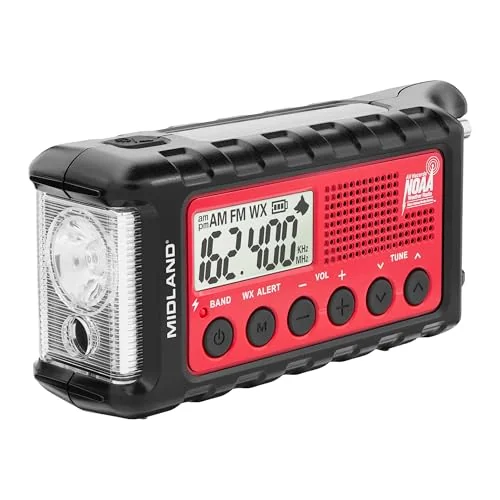
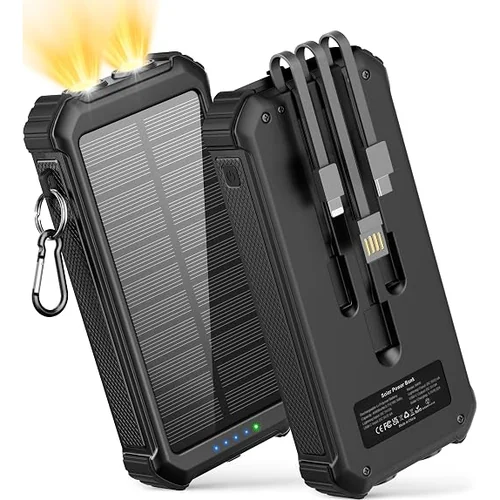
Plan to receive information through phone alerts, local emergency-management announcements, radio, and television. Keep a charged power bank and a battery-powered radio available so your plan does not depend entirely on household electricity or one phone. CDC guidance specifically directs people to radio, television, mobile news apps, and text alerts during chemical emergencies.
For Washington-area households, check instructions for your actual location. Someone working in the District may receive different protective instructions from someone at home farther away. Evacuation and sheltering decisions depend on the release location and the area at risk.
2. Plan for Both Sheltering and Evacuation
“Always evacuate” and “always stay inside” are both incomplete advice.
If a chemical is released inside a building and you are exposed, the CDC advises getting outside to fresh air and moving away. If the hazard is outdoors, officials may tell you to stay inside because leaving could expose you to contaminated air.
Before an emergency, discuss:
- Where household members would shelter.
- How you would leave if ordered to evacuate.
- How to contact one another if separated.
- How to include children, pets, and anyone needing assistance.
Build the plan around following incident-specific instructions rather than driving away automatically. An evacuation helps only when the route avoids the hazard.
3. Choose a Chemical Shelter Room Before You Need It
Identify a room with few windows and openings that you can close off from outside air. CDC guidance recommends a room as far inside the building and as high as possible, with access to water if available.
A basement is not automatically the safest choice for every emergency. For a chemical incident, some hazardous gases can accumulate in low areas, which is why above-ground sheltering is commonly recommended. Follow instructions for the actual incident.
Keep your shelter supplies accessible instead of buried in a garage or outdoor shed.
4. Learn How to Shut Down Airflow
Know how to turn off your heating and air-conditioning system, ventilation fans, and other equipment identified in your building’s emergency plan. When instructed to shelter, close and lock windows and exterior doors, turn off fans and HVAC equipment, and close the fireplace damper when it is safe to do so.
Apartment and office occupants should learn the building’s procedures in advance because they may not control central ventilation.
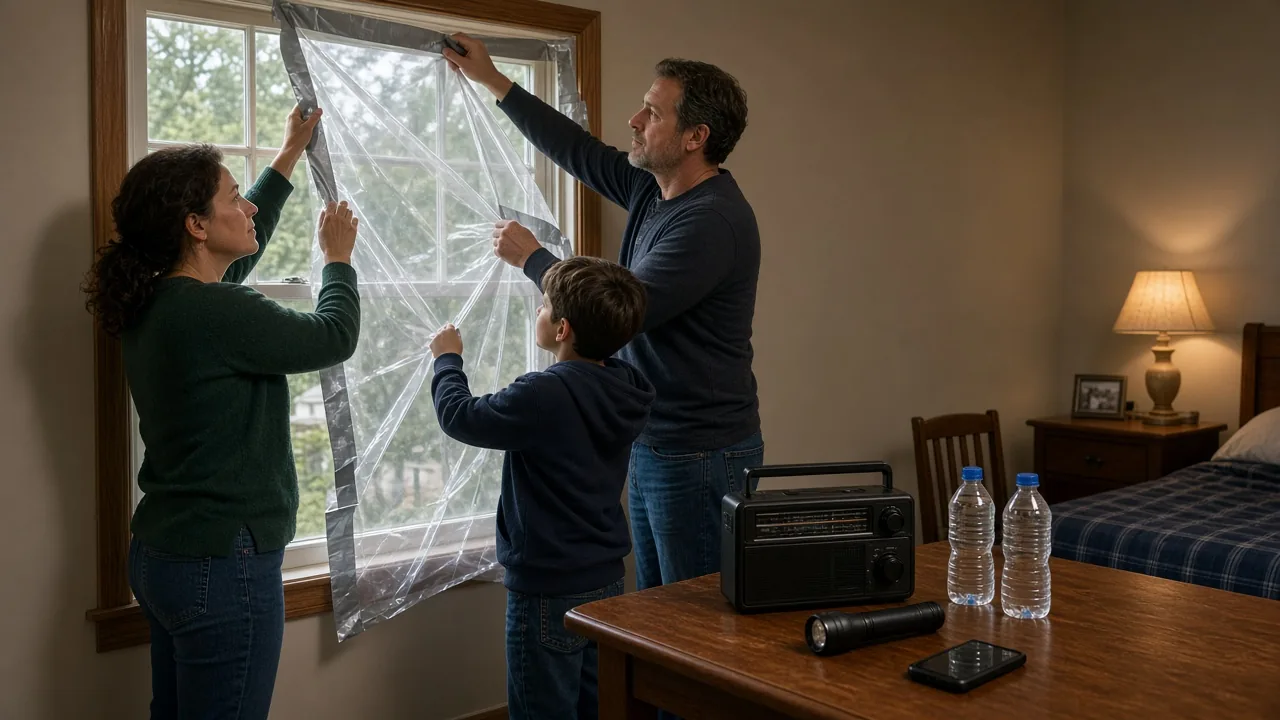
Keep plastic sheeting and duct tape ready to cover shelter-room openings. These measures reduce outside-air entry; they do not turn a room into a permanently safe, airtight bunker. Stay tuned for instructions on when to leave or ventilate.
5. Build a Simple Decontamination Kit
You do not need an expensive “chemical survival” product to keep basic washing supplies ready.
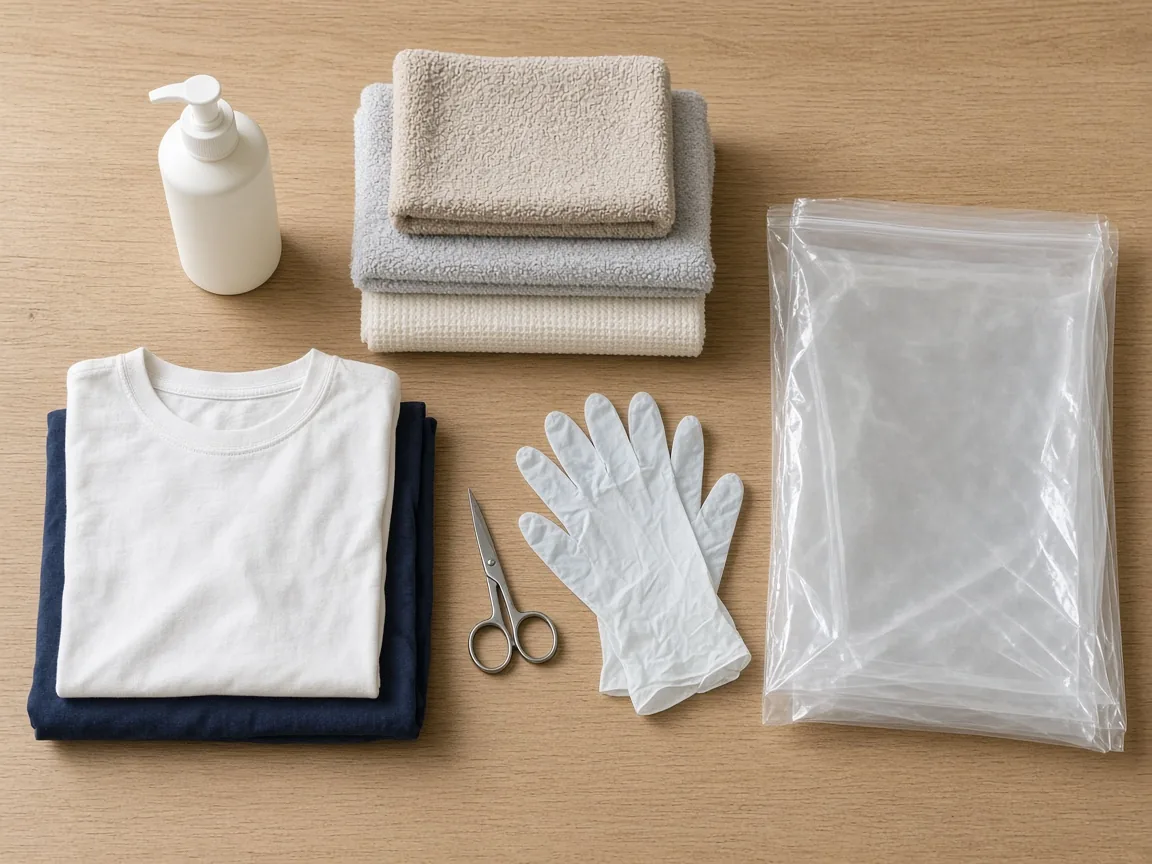
A practical kit can include:
- Mild soap.
- Access to clean water.
- Clean towels and washcloths.
- Paper towels.
- Spare clothing and footwear.
- Plastic bags for isolating contaminated items.
- Scissors for removing clothing without pulling it over the head.
- Gloves for tasks authorities say are safe to perform.
These supplies support CDC guidance on removing clothing, washing, drying, changing into clean clothes, and containing contaminated items. Household gloves are not a substitute for the protective equipment needed to handle an unknown chemical.
6. Practice Removing Contaminated Clothing Safely
The CDC estimates that removing clothing can remove 80%–90% of chemical contamination on the body. It recommends undressing and showering as soon as possible, ideally within the first 10 minutes. That is a reason to act promptly—not a guarantee that every exposure has a safe 10-minute window.
If clothing would need to pass over your head, cut it away when practical. If you cannot, CDC guidance advises closing your eyes and holding your breath while pulling it off to reduce transfer to your face.
Protect privacy and prevent chilling, especially for children and older adults, but do not spend valuable time searching for perfect replacement clothes before removing contamination.
7. Know What to Wash Your Skin With
The general answer is lukewarm water and mild soap. You do not need a homemade neutralizing solution.
The CDC’s general chemical-decontamination guidance recommends washing from head to feet for at least two to three minutes without scrubbing. Agent-specific instructions may differ, so follow emergency responders or Poison Control when they provide more specific directions.
Keep the washing process simple. Do not apply household disinfectants directly to skin, and never mix cleaning products in an attempt to create a stronger chemical-removal solution.
8. Plan to Keep Contamination Away From Other People
Contaminated clothing, towels, and personal items can remain a hazard. CDC guidance recommends placing contaminated items in a plastic bag, closing it, and placing that bag inside a second bag. Keep them away from other people.
Do not automatically put suspected chemical-agent waste into the household trash or washing machine. CDC guidance for several chemical agents specifically says not to place bagged contaminated materials in regular trash and to tell authorities where they are located.
If emergency teams are available, follow their directions rather than repeatedly handling contaminated belongings yourself.
9. Include Children, Pets, and Medical Needs
Keep necessary medications and essential supplies with your shelter kit. Plan who will help children or anyone who cannot undress, wash, or move independently. CDC sheltering guidance includes bringing medications, pets, phones, and charging cables into the shelter area.
Pets may also need decontamination after exposure. The CDC advises removing chemicals from yourself first, then cleaning the animal using its guidance and seeking veterinary help when needed. Avoid handling a contaminated pet as though its fur is clean.
10. Decide in Advance Not to Attempt Unknown-Chemical Cleanup
Make this part of your household plan: people first, property later.
An unknown chemical release is not a routine housekeeping problem. Chemical-agent decontamination can require specialized methods, protective equipment, monitoring, and hazardous-waste disposal. CDC guidance illustrates that the correct approach depends on the contaminant, the materials involved, and the extent of contamination.
Be prepared to stay elsewhere if authorities have not cleared your home for occupancy. Do not assume that an outdoor all-clear also means every contaminated indoor item is safe.
What Should You Do Immediately After Possible Chemical Exposure?
Once you are away from the release, begin removing contamination promptly. The CDC’s general instructions provide the following sequence.
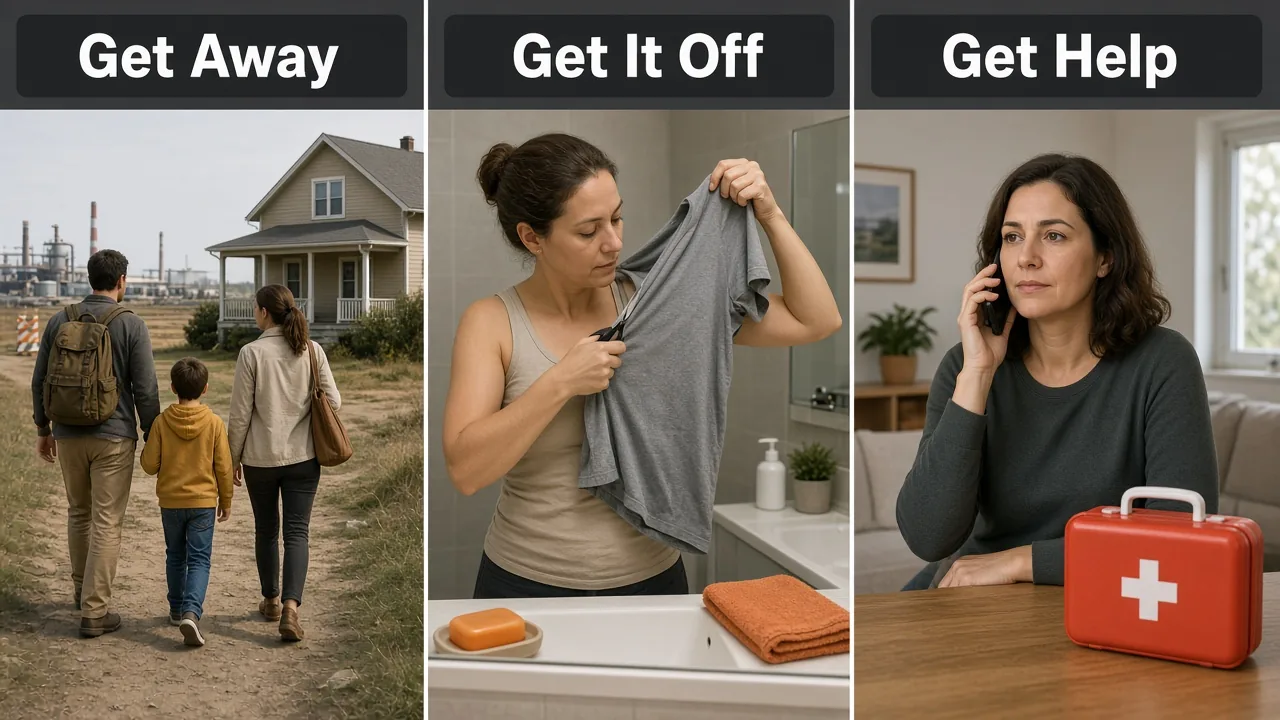
Remove Contaminated Clothing
Take off as many contaminated layers as possible. Avoid dragging clothing across your face. Remove contact lenses and do not put contaminated lenses back in. Bag contaminated clothing and contacts as directed.
Blot Rather Than Scrub
If you cannot shower immediately, use a moist wipe, wet cloth, or damp paper towel to blot contamination from your skin. Do not aggressively rub or scrub. Avoid spreading material from one part of your body to another.
Wash With Lukewarm Water and Mild Soap
Wash your hair, face, hands, and body from head to feet. The CDC’s general guidance recommends at least two to three minutes of washing. Avoid letting contaminated runoff enter your eyes, nose, or mouth. Dry with a clean towel and put on clean clothes.
Do not delay getting chemicals off your body while trying to identify the substance. Tell emergency personnel what you know, but do not return to the release to investigate.
Rinse Irritated Eyes With Plain Water
If your eyes burn or you cannot see normally, CDC general guidance recommends flushing them with water for 10–15 minutes. Do not put soap in your eyes or use eye drops as a substitute for rinsing. Get further medical guidance promptly.
Get Medical Help
Call 911 for serious symptoms or an urgent emergency. Contact Poison Control for exposure guidance even after washing; getting a chemical off your skin does not establish that an inhalation exposure or other injury has been treated.
If you swallowed a chemical, do not induce vomiting or drink something to “neutralize” it unless Poison Control or medical personnel specifically direct you to do so.
How Do You Clean Your House After a Chemical Attack?
The safest answer is not a universal bleach recipe. First determine whether authorities consider the building safe to enter, whether contamination is suspected, and what substance was involved.
Do Not Confuse Disinfection With Chemical Decontamination
Disinfectants are intended to kill germs. That does not mean they remove or neutralize every toxic chemical. Chemical-agent cleanup methods are specific to the contaminant and affected materials; professional work may include monitoring and chemical testing to verify decontamination.
A room that looks clean has not necessarily been verified safe.
Before Cleaning, Ask for Incident-Specific Instructions
Ask the responding fire department, hazardous-materials team, or public-health authority:
- Is the property safe to enter?
- Is there evidence of contamination indoors?
- Can residents clean any affected areas themselves?
- Which belongings need evaluation or disposal?
- What should happen to ventilation equipment and filters?
- How should contaminated waste be handled?
Do not improvise chemical treatment of carpets, furniture, HVAC equipment, or belongings while those questions remain unanswered. Chemical-contamination response and cleanup are situation-dependent.
Do Not Mix Cleaning Chemicals
Never combine bleach with ammonia or other household cleaners. Mixing products can release dangerous gases and create another emergency. Do not spray bleach around a house simply because the original incident involved a chemical.
If officials authorize ordinary household cleaning, follow their instructions and the product label. Routine cleaning advice is not proof that a home exposed to a chemical weapon has been decontaminated.
Ventilate Only When Authorities Say Outside Air Is Safe
During an outdoor chemical release, opening windows may bring contaminated air inside. Keep the building closed when instructed to shelter. After the hazard passes, officials may direct you to open windows and ventilate.
Do not use the disappearance of an odor as your all-clear. Wait for official instructions.
Frequently Asked Questions About Chemical Attack Preparedness
Will an N95 Mask Protect Me From Chemical Gas?
No. N95 respirators filter particles, not gases or vapors. Keep them for hazards they are designed to address, but do not rely on one as chemical-gas protection.
Is Soap and Water Really Useful?
Yes. Removing contaminated clothing and washing with lukewarm water and mild soap are central parts of CDC chemical-decontamination guidance. Washing removes contamination; it does not replace medical treatment for chemicals already inhaled or absorbed.
Should I Run Outside or Stay Indoors?
It depends on the location of the release. If you are exposed to a release inside a building, get outside and away. If the release is outdoors, sheltering may be safer than leaving. Follow local instructions because the safest action depends on the substance, location, and exposure risk.
Should I Put Suspected Contaminated Clothes in the Laundry?
Do not treat suspected chemical-agent clothing like ordinary dirty laundry. Isolate it as directed and ask authorities how it should be handled. CDC guidance recommends double-bagging contaminated items, and agent-specific guidance may require collection rather than household disposal.
Does the Iran Reporting Mean an Attack Is Imminent?
The November 16, 2026, CNN report did not establish that an attack was imminent. Its sources described potential planning, questioned whether it could or would be carried out, and reported no evidence of a decision to proceed. That context should remain attached to any discussion of the threat.
Prepare for Clear Decisions, Not Just More Gear
A useful chemical attack preparedness plan answers a few practical questions before an emergency: Where will we shelter? How do we shut off ventilation? How will we receive instructions? Where are the soap, towels, spare clothes, and bags? Who needs help?
Those preparations support the actions emphasized by the CDC: get away from the release, remove chemicals from your body, and get help. Specialized equipment does not replace those priorities—and a household cleaning product cannot substitute for a verified chemical-decontamination plan.
Sources
- CDC, What to Do in a Chemical Emergency
- CDC, What to Do to Shelter in Place for a Chemical Emergency
- CDC, About Getting Clean (personal decontamination after a chemical release)
- Ready.gov (FEMA), Chemicals and Hazardous Materials Incidents
- California Department of Public Health, When and How to Shelter-in-Place
- CNN, Nov. 16, 2026, “Exclusive: US intel indicates Iran developing plans to potentially detonate a dirty bomb in Washington, sources say.”